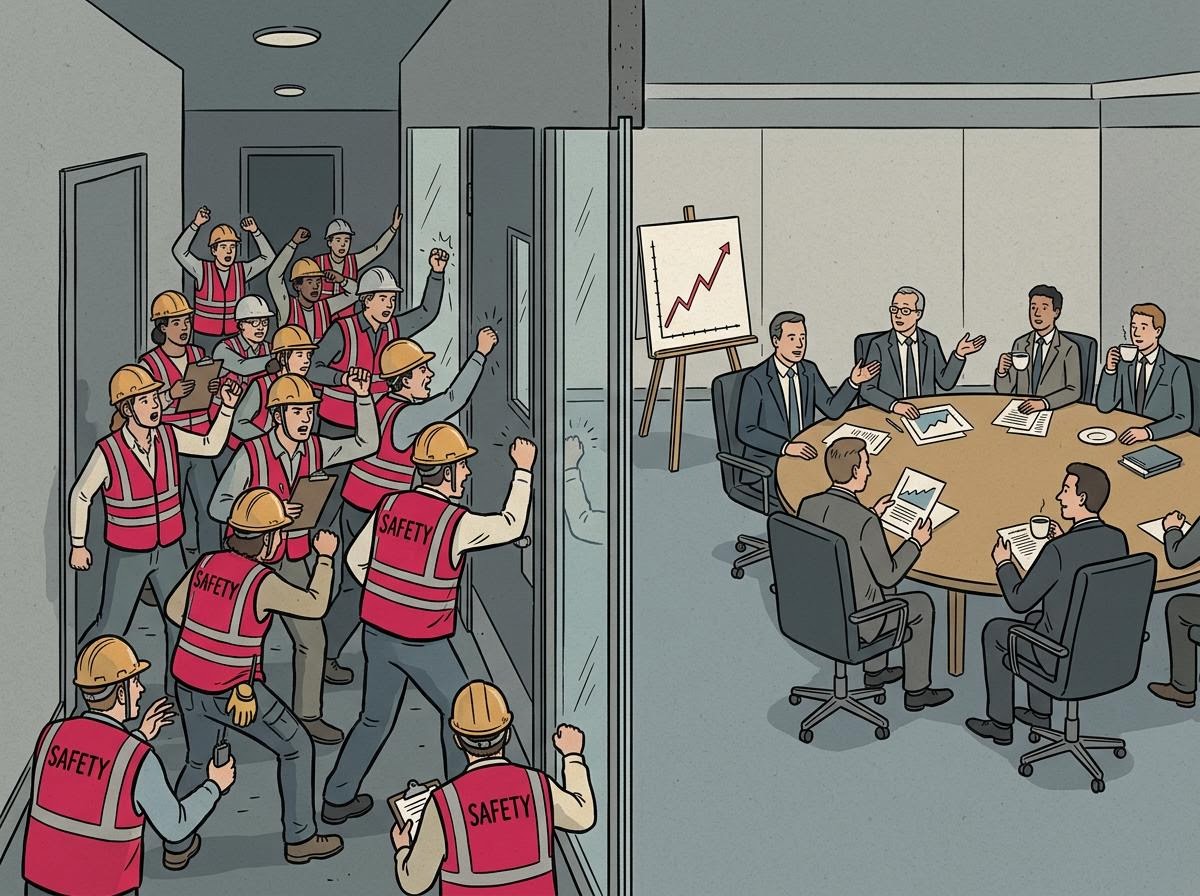
TickTrance, the short-video app that turns viewing time into advertising income, has left child-safety changes subject to executive persuasion while allowing the features under scrutiny to continue operating. Court records describe repeated staff warnings and senior leaders failing to act adequately, including months spent disputing whether the harms were serious enough.
The arrangement gives the safety team responsibility for identifying danger and management discretion over whether danger counts. Until both departments agree, the existing product wins.
“We hired safety specialists to tell us what was wrong, not to deprive executives of the right to find it unconvincing.”
In response, TickTrance defended the distinction between receiving a warning and being sufficiently moved by it. The company considers the first a safety function and the second a management privilege.
“We hired safety specialists to tell us what was wrong, not to deprive executives of the right to find it unconvincing,” TickTrance said. “If expertise settled the question, we would have put the specialists in charge of the money.”
The company said repeated escalation demonstrated that its internal channels remained open. Staff could raise a concern, raise it again, and eventually develop the professional confidence to recognise the same concern in next quarter’s meeting.
The warnings included sexual exploitation involving minors on live broadcasts where viewers could send gifts convertible into money. That made the disputed feature not merely a place where harm could occur, but one through which the platform could earn income.
Under management’s approach, a proposed restriction must explain what it would interrupt. Continuing the feature is treated as interrupting nothing. The harm remains on the safety team’s slide; the income arrives without an attachment.
“Every fix needs a business case,” TickTrance said. “The business already has one. We find this produces a very balanced discussion, particularly when we chair it.”
Staff also raised concerns about feeds repeatedly steering children towards harmful material, while parents were not warned of the potential dangers. Families therefore lacked information that executives had been able to consider at length.
This preserves an important difference between the two groups: management gets to decide whether a risk is acceptable before changing the product; parents get to make household rules without knowing which risks management has accepted.
TickTrance maintains that the presence of safety experts demonstrates its commitment. Their recommendations remain recommendations, however, so the company can retain the reassurance of employing them without accepting the inconvenience of doing what they say.
The inevitable…
By October 21, 2027, at least one major social platform will announce a new child-safety advisory council without giving it authority to halt product features. The announcement will increase the number of experts available to recommend action while leaving the number entitled to require it unchanged.
Check back October 2027